Creating a card game may seem simple… until you actually start. Behind a small deck of cards lies a subtle balance between rules, dynamics, engagement, and meaning. The good news? There is a method to get there.
Start with a clear idea✨
🎲 Every good card game is built on two simple intentions: who is your audience, and what is your objective? This will shape the experience you want players to have. Speed? Collaboration? Strategy? Learning?
Once your audience and objective are defined, the content and mechanics will follow naturally.
Build a prototype quickly 🚀
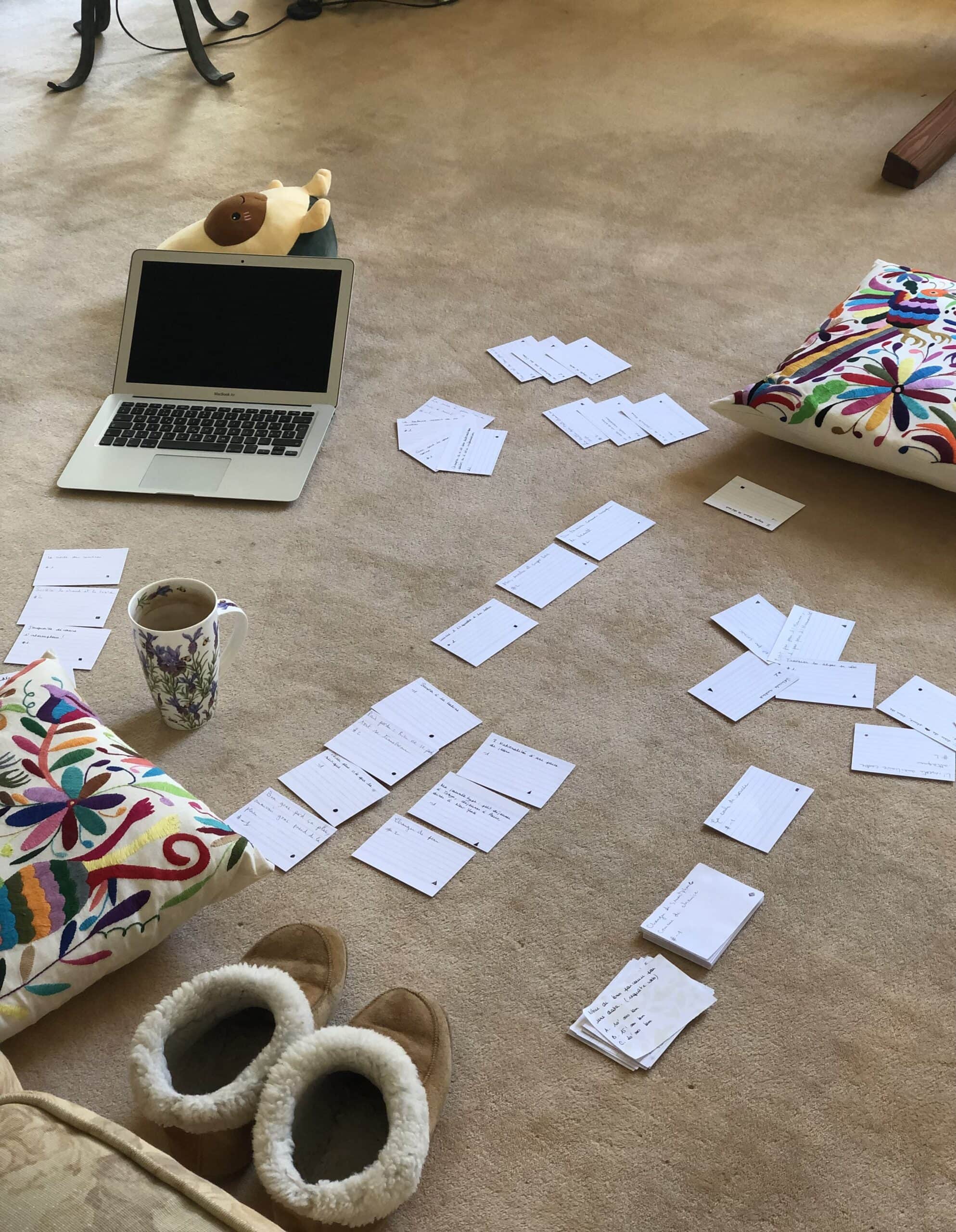
You don’t need perfect design at the beginning. Paper, sticky notes, or a simple file are enough. At this stage:
- Focus on mechanics, not aesthetics
- Keep the rules simple
- Accept that it’s imperfect
The goal isn’t to create a beautiful game, but a playable one.
📣 Test, test, test
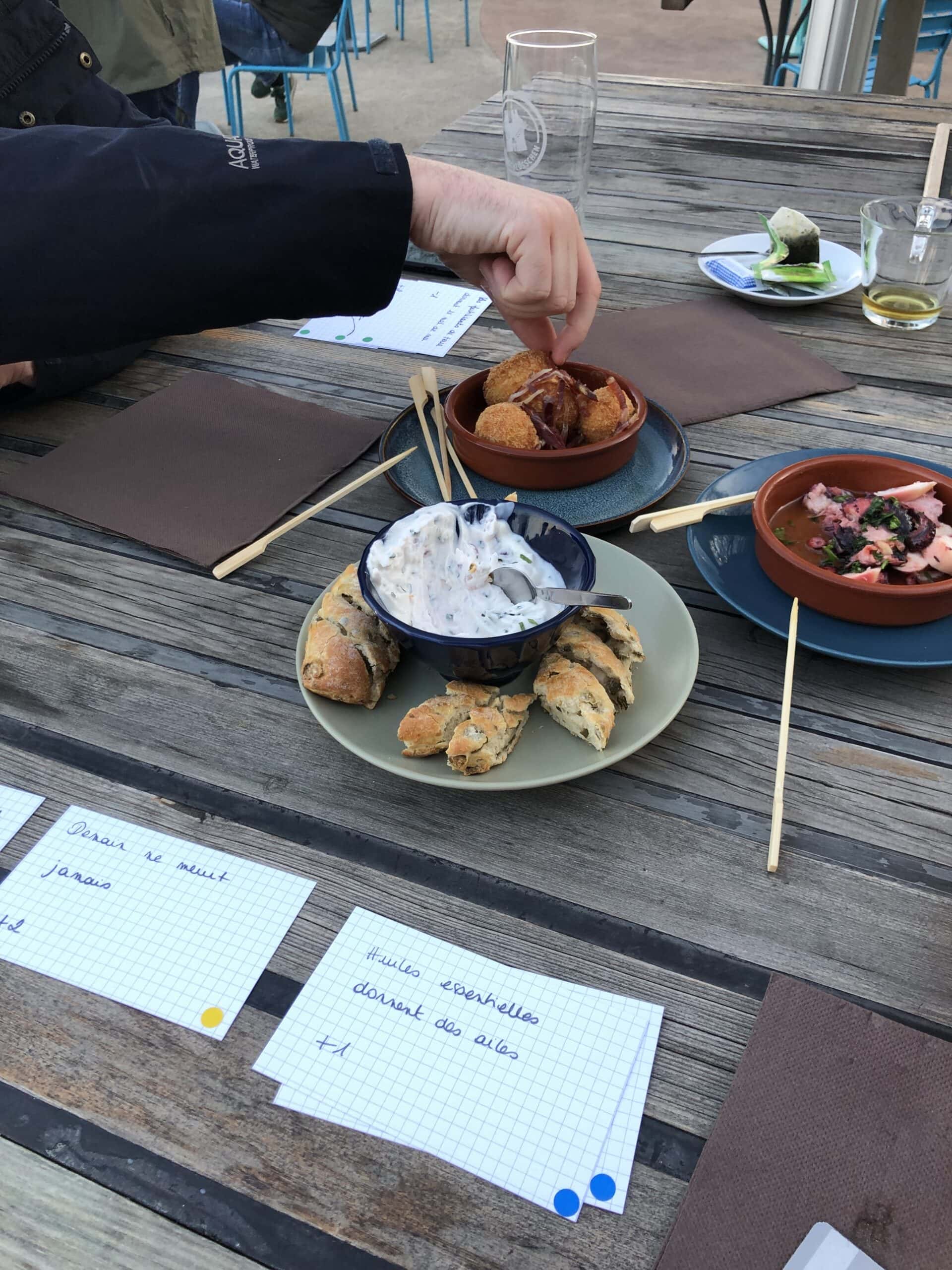
Playtesting is not a final step, it’s an ongoing process.
- Test early, even if the game is still rough
- Test often, after every change
- Observe how people actually play
Identify:
- Unclear rules
- Cards that are too powerful or useless
- Moments where attention drops
Test with diverse audiences
To create a game that truly resonates, you need diversity:
- Different ages
- Different profiles
- Experienced players… and beginners
Each group brings a new perspective. What seems obvious to you may not be obvious to others.
Observe more than you explain
During testing, avoid intervening too much. The goal is not to defend your game, but to improve it.
Watch:
- Where players hesitate
- What excites them
- What they ignore
Iterate, simplify, repeat
After each session:
- Adjust the rules
- Modify the cards
- Simplify as much as possible
The best games are often the simplest, but that simplicity comes from many iterations.
Removing is often more powerful than adding.
Design for real use
Your game will be used in a specific context:
- In the classroom? At home? In workshops?
- Short sessions or long gameplay?
- Competitive or collaborative?
Design your game based on these realities, not ideal conditions.
Aim for resonance, not perfection
A good game isn’t perfect, it’s alive.
A game works when:
- It’s quickly understood
- It engages players
- It makes people want to play again
- It creates interaction and emotion
That’s where the magic happens.
In conclusion
If there’s one thing to remember: test, test, test.
The best ideas don’t start perfect. They are built through feedback, iteration, and real player experience.
So put your game in people’s hands as early as possible. Observe, learn, improve… and repeat.
That’s how a simple card game becomes an experience that truly matters.
What do we do at Fripouille?
We build fun sustainability engagement tools, card games and workshops.
– Alphy (2+): A booklet for toddlers, helping them develop good habits when it comes to litter.
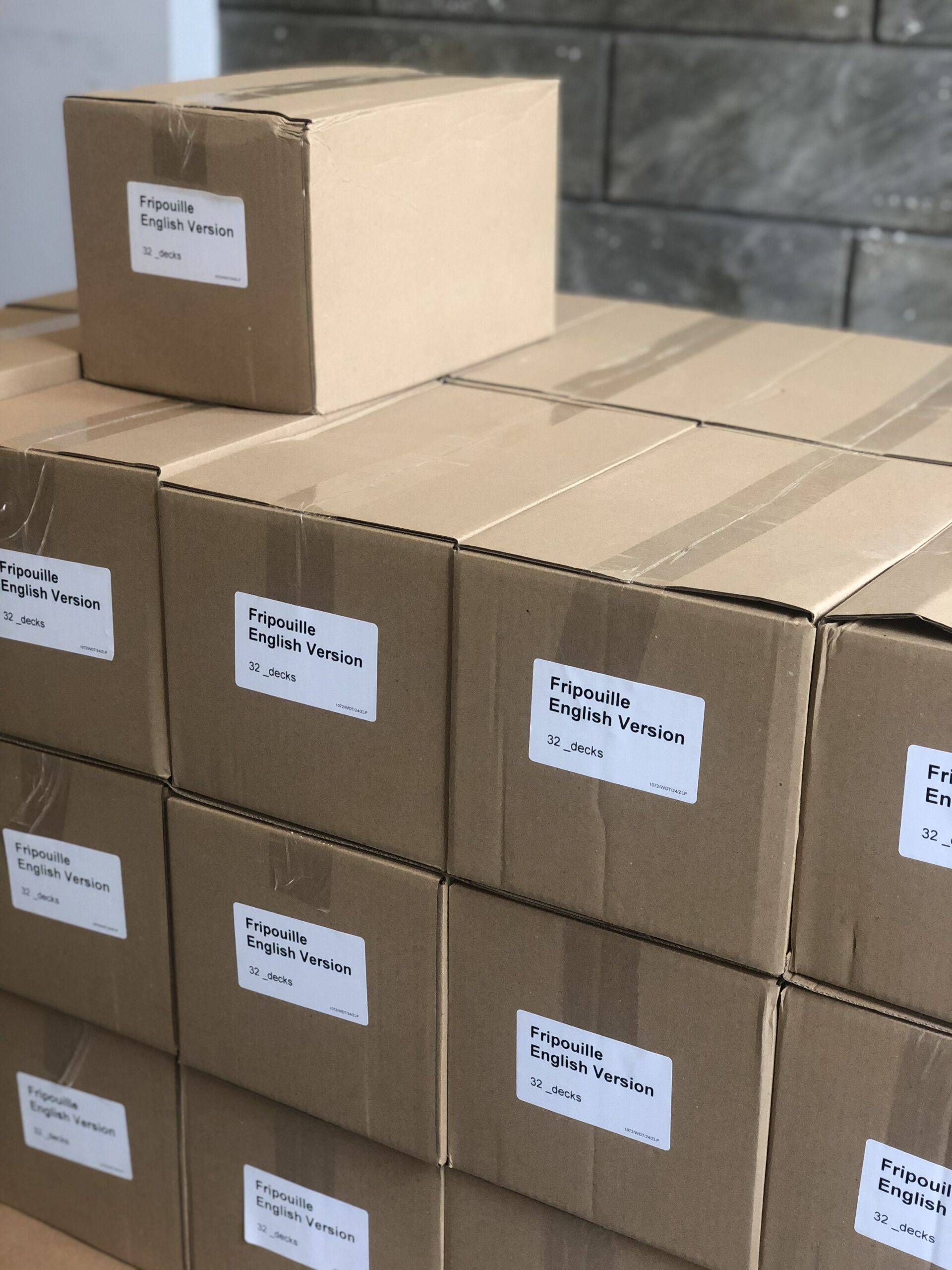
– Fripouille (8+): A competitive card game exploring the themes of energy, agriculture, transport and digital technology.
– Gibb’s (15+): A collaborative card game raising awareness of water consumption issues.
– A business sustainability workshop: raising awareness of corporate sustainability issues in a fun and accessible way. (workshops or team-building sessions)